Companies news
Alstom reveals full-scale model of the Southern Hemisphere’s first battery-electric passenger train
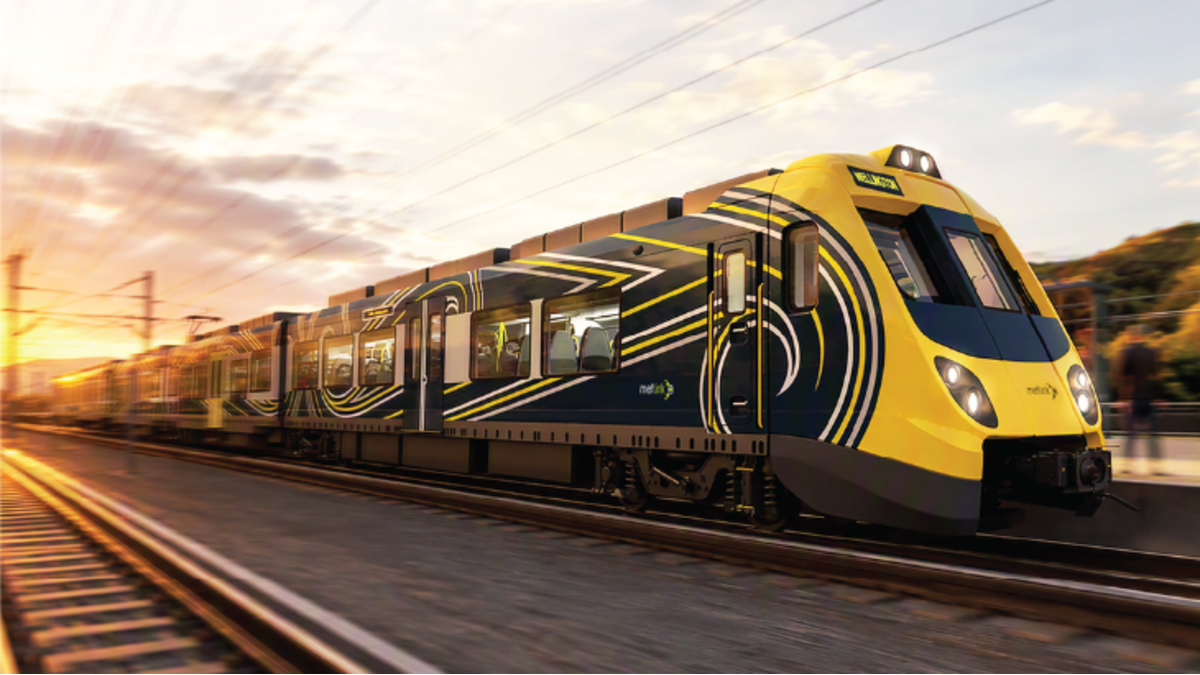
Full-size model supports the design of Lower North Island trains
A life-sized mock-up of one of the new Tūhono trains is being used to involve passengers and train staff in the design process, helping to assess the fleet's safety and accessibility before construction begins.
The full-scale model allows passengers, accessibility advocates and train crews to walk through proposed layouts, test features and provide feedback to inform the final design, before 18 five-car, battery-electric trains are manufactured by Alstom.
Designing the trains around passengers
Greater Wellington is leading the Tūhono programme, and Council Chair Daran Ponter says the mock-up is an important step towards the development of inter-regional rail services between Wellington, Wairarapa and Manawatu.
“Tūhono trains will serve lower North Island communities for decades, so we need to get the design right,” Cr Ponter says. “Plans can look good on paper, but there’s no substitute for stepping on board. The mock-up lets passengers and crews test features and identify what can be better. Improvements can then be made to the design before construction begins.”
Nikki Riley, Chair of Tūhono partner Horizons Regional Council, says the user testing will help set-up the trains to drive regional growth.
“To strengthen connections between our regions and urban centres, the new trains need to be functional, comfortable and provide reliable services that are faster and more frequent. By designing the trains around people, we aim to give communities confidence in using Tūhono trains to access employment, education, and essential services.”
The mock-up is being used to trial design elements including seating and circulation spaces, wheelchair and mobility-aid access, space for bikes and luggage, bathrooms, standing room and features used by train staff.
Accessibility in the design process
As accessibility has been a particular focus, people with disabilities have been invited to experience the layouts and provide input into the design.
CCS Disability Action access advisor Raewyn Hailes says involving people with lived experience can help improve carriage comfort and ease of movement for passengers and crew. Ms Hailes says:
“Accessibility works best when it’s at the heart of the design, rather than an afterthought bolted on at the end. By physically moving through a full-scale model and testing its features, people with different accessibility needs can point out flaws and opportunities that might otherwise be missed.”
When coupled with infrastructure improvements by KiwiRail, Tūhono trains will replace rail services currently provided by aging carriages hauled by diesel locomotives between Wellington and Masterton, and Wellington and Palmerston North.
Guillaume Tritter, Managing Director of Alstom Australia and New Zealand, says the mock-up provides an opportunity to gather feedback from passengers and operational stakeholders before manufacturing begins.
Mr Tritter says:
“Good train design starts with listening. The Tūhono mock-up allows us to test ideas, engage directly with users and refine the design before the trains are built. The feedback we receive today will help shape a safer, more accessible and sustainable passenger experience for Wellington communities for decades to come. Together with our partners the New Zealand Government, Greater Wellington, Horizons Regional Council, Transdev and KiwiRail, we are building a train designed with and for the people of New Zealand.”
From mock-up to passenger service
The mock-up was built by Tūhono delivery partner KiwiRail and is being tested at its workshops in Lower Hutt. KiwiRail is also responsible for delivering the rail network infrastructure required for the new trains, including platform improvements, stabling, battery chargers and track upgrades.
Tūhono trains are part of the Lower North Island Rail Integrated Mobility (LNIRIM) programme, led by Greater Wellington in partnership with Horizons Regional Council and the Government.
Designs are due to be completed by mid-2027, and the first train is expected to arrive in New Zealand for testing in mid-2028. It is anticipated that Tūhono trains will enter operational service in 2029, and improve service frequency between Wellington, Wairarapa and Manawatu from late 2030.